Strengthening patient identification for safer care
Authors: Amin Talebpour and Sakineh Hajebrahimi
Research Center for Evidence-Based Medicine, Faculty of Medicine, Tabriz University of Medical Sciences, Tabriz, Iran
Introduction
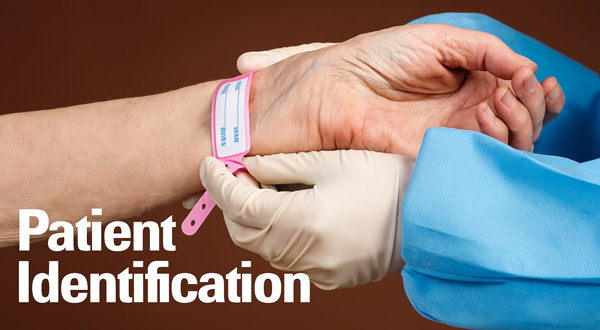
Patient identification is one of those simple safety checks that can have huge consequences when it fails. By patient identification, we refer to the systematic process of correctly matching a patient to their intended treatment, test or procedure through the use of reliable identifiers such as name, date of birth, hospital number or ID band. It is a fundamental component of patient safety that ensures care is delivered to the right person at the right time. In the intensive care unit where people are critically ill and decisions are made quickly, even small missteps can lead to harm. In 2021, our team at a general hospital in Tabriz set out to improve compliance with correct patient identification practices using a straightforward audit-and-feedback approach based on the JBI evidence implementation approach.
Background
Wrong-patient events, such as mislabelled blood samples, incorrect medication administration or misdirected tests, are preventable yet persistent. Recognising that technology alone cannot eliminate such risks, we sought an approach that would address the human and procedural factors underlying these errors. Instead of relying on a single high-tech solution, we adopted a person-centred, team-driven approach that focused on changing everyday routines, clarifying processes and involving patients as partners. To achieve this, we used structured audit and feedback methods within the JBI framework to engage staff, identify barriers and co-design practical solutions
The problem
Before starting our improvement project, compliance with internationally recommended patient identification practices in Tabriz General Hospital was inconsistent. For example, at least two patient identifiers were used before care in only about 20% of observations. Clear protocols for patients without ID were present in fewer than 20% of cases. According to internationally used guidelines advising labelling of specimens in the patient’s presence, this step should be routine; however, compliance was also low. Staff training and patient education were similarly limited. These gaps demonstrated that technical fixes alone would not be sufficient; the main focus needed to be on people, processes and communication.
The search for answers
We used the JBI PACES audit tool and the GRiP framework to guide a three-phase improvement cycle: (1) baseline audit and stakeholder engagement, (2) tailored interventions and (3) a follow-up audit. Our project team brought together nurses, physicians, admission staff, quality improvement specialists, IT and educational leads and patient representatives. Patients and their families were engaged through short interviews and group discussions, where they shared their experiences and challenges related to identification procedures. Their feedback helped the team understand real-world barriers and design more patient-centred solutions.
Together, we mapped barriers and co-designed pragmatic solutions. Important parameters included clear written protocols for handling patients without ID, targeted training workshops, simple changes to admission workflows, labelling hardware for wards and short education sessions and leaflets for patients and families
Result / outcome
The changes were simple but powerful. In the follow-up audit, our use of two independent identifiers (such as the patient’s full name and hospital record number before any procedure) rose from 22% to 100%. Protocols for patients without ID, staff training and patient education all improved dramatically (to about 94%). Labelling specimens in the patient's presence and using standardised non-verbal approaches, such as colour-coded wristbands or confirmation through a designated family member for patients who are confused or unresponsive, also improved substantially (to about 89%). Adoption of system-wide ID bands or biometric tools lagged behind, rising only modestly, highlighting the difference between behavioural change and infrastructure upgrades.
Challenges, obstacles and lessons learned
A few lessons stood out:
1. Audit data are a tool for conversation, not blame. Sharing clear, local data helped frontline staff recognise the problem and feel part of the solution rather than feeling judged.
2. Combining technical support with low-cost human interventions produces rapid gains. Labelling equipment, checklists, brief training and patient engagement activities worked synergistically to improve compliance.
3. Infrastructure improvements take longer and require sustained investment. Hospital-wide ID bands or integration with electronic records were beyond the immediate project’s capacity and needed institutional support.
4. Non-verbal identification remains a critical challenge. We attempted to create standardised non-verbal methods (such as colour-coded wristbands, bedside information cards and coordination with family members for comatose or confused patients) but full implementation was limited by software and hardware constraints. This experience emphasised that equity in patient safety requires not only commitment but also resources.
Next steps
We plan to keep the momentum by embedding simple identification checks into routine admission and handover workflows, repeating audits to sustain progress and sharing our story in accessible formats (short videos, one-page infographics and brief staff testimonies) so the message extends beyond the quality team. We also recommend that health system leaders consider simple accreditation standards for patient identification; this can make good practice the default, not the exception.
Key take-home messages
Small, low-cost changes implemented by a team can produce rapid and meaningful improvements in patient safety.
• Data + Conversation = Change: Local audit results are most effective when shared respectfully and used to co-design solutions with staff and patients.
• Infrastructure and technology help, but they can’t replace clear processes, education and patient engagement.
References
Moola S. Evidence summary: correct patient identification: acute care settings. JBI; 2012.
World Health Organization. WHO launches 'Nine patient safety solutions'. 2007.
Talebpour A, Hajebrahimi S, et al. Promoting correct patient identification in the intensive care unit of a general hospital in Tabriz, Iran: a best practice implementation project. (Manuscript, revised 2024).
Links to additional resources
JBI Evidence Implementation tools: https://jbi.global/
World EBHC Day: https://worldebhcday.org/take-action
WHO patient safety resources: https://www.who.int/teams/integrated-health-services/patient-safety
To link to this article - DOI: https://doi.org/10.70253/MOSL9972
Disclaimer
The views expressed in this World EBHC Day Blog, as well as any errors or omissions, are the sole responsibility of the author and do not represent the views of the World EBHC Day Steering Committee, Official Partners or Sponsors; nor does it imply endorsement by the aforementioned parties.