Improving quality of life for women with menorrhagia
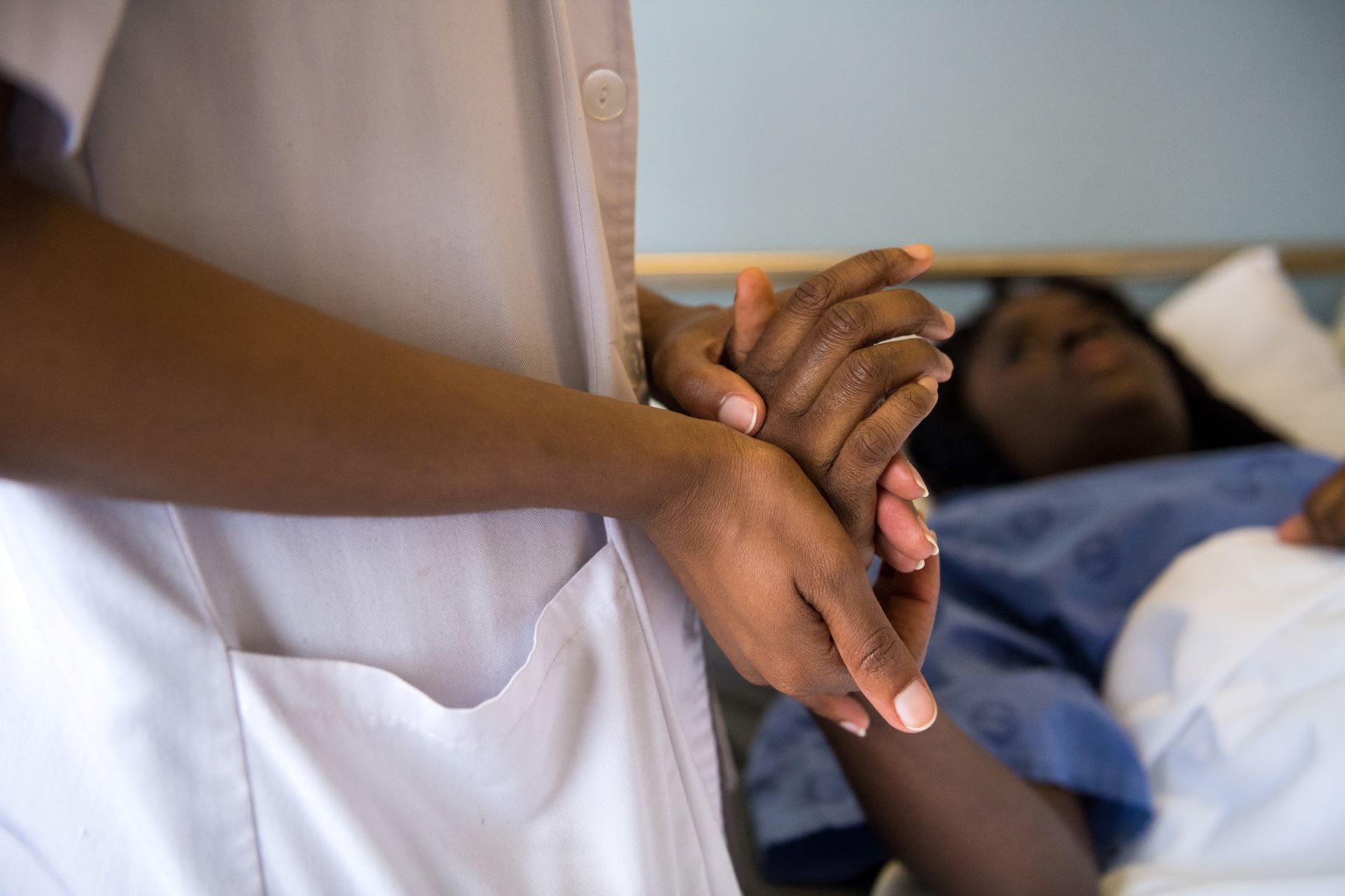
Heavy menstrual bleeding (menorrhagia) is defined as excessive or prolonged bleeding during menstruation and can cause considerable disruption to a woman’s life. It is a risk factor for iron-deficiency anaemia and it is the most common singular cause of iron-deficiency anaemia in women in the reproductive age group.
The main aetiological factors implicated in menorrhagia include hormonal imbalances, anatomical pathologies such as fibroids, bleeding disorders and endocrine abnormalities. Among the four, bleeding disorders are the least evaluated in laboratories despite inexpensive laboratory investigations being widely available.
Lydia Akumu is a practising obstetrician and gynaecologist following the recent completion of her residency program in obstetrics and gynaecology at the University of Nairobi and Kenyatta National Hospital. Dr Akumu was sponsored by JBI’s philanthropy program to participate in the Evidence Implementation Training Program in Adelaide. As part of the Evidence Implementation Program, healthcare professionals undertake a six-month evidence implementation project in their clinical setting under the guidance of JBI research fellows.
Dr Akumu’s project aimed to promote evidence-based practice in the assessment and management of patients with heavy menstrual bleeding (HMB) at Kenyatta National Hospital:
‘I work in a resource-limited setting where I get to see women with HMB, most of whom suffer in silence due to cultural limitations and financial constraints. My biggest drive is to provide the best care for these women at the lowest possible cost so as to alleviate their suffering. And this is best achieved through the practice of evidence-based medicine.’
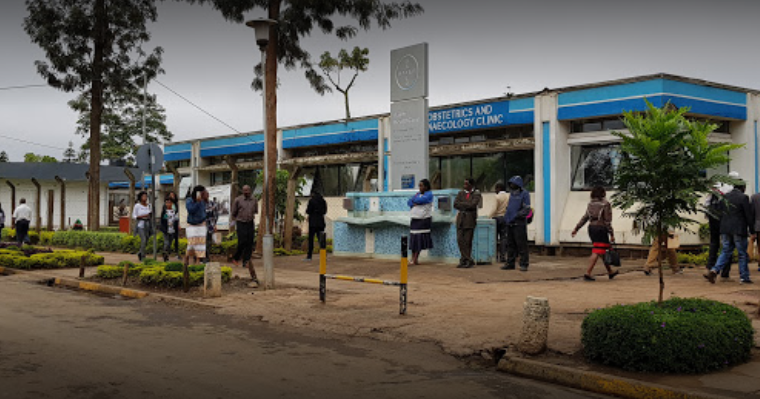
Kenyatta National Hospital is the largest referral hospital in East Africa. The gynaecology outpatient clinic at the hospital has a daily patient flow of approximately 40 patients. Heavy menstrual bleeding is the most common complaint among women referred to the clinic.
‘I wanted to implement better management of heavy menstrual bleeding that invariably leads to iron-deficiency anaemia and untold psychological and emotional suffering in many Kenyan women’, explains Dr Akumu. ‘With correct diagnosis, management of HMB is rather simple, but this is rarely done in many Kenyan settings. We tend to focus more on the issues that affect pregnant women and somehow we ignore the issues that affect non-pregnant women, which are mostly HMB or other issues around menstruation. Most of them suffer in silence’, says Dr Akumu.
Dr Akumu says that despite HMB being a significant public health problem common in women aged between 30 and 49 years, there is a lack of data on menorrhagia in Kenya: ‘This includes prevalence data, aetiology and outcomes after management of patients with HMB.’
‘We had no protocol for the evaluation and management of patients with menorrhagia’, adds Dr Akumu.
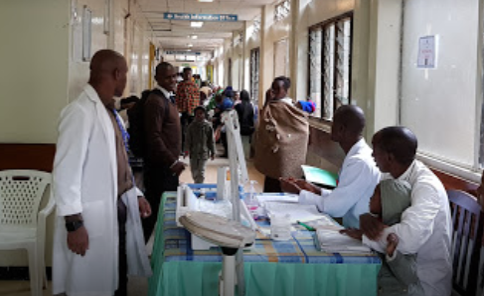
Dr Akumu’s evidence implementation project commenced with a clinical audit to determine the knowledge needs of healthcare professionals in performing evidence-based assessment and management of HMB. Following the audit, a series of education sessions for health practitioners was conducted. The sessions aimed to promote the use of the best available evidence to improve the assessment and management of patients with HMB, and included training on hysteroscopy and the insertion of levonorgestrel intra-uterine systems (LNG-IUS).
In addition, clear guiding protocols were created based on the National Institute for Health and Care Excellence (NICE) guidelines, and were made readily available in consultation rooms.
Patients were also educated about HMB and their management options, for example, patients were directed on where to obtain LNG-IUS. Empowering women with HMB by equipping them with knowledge about their condition and the possible management options for them, was an important part of the project for Dr Akumu.
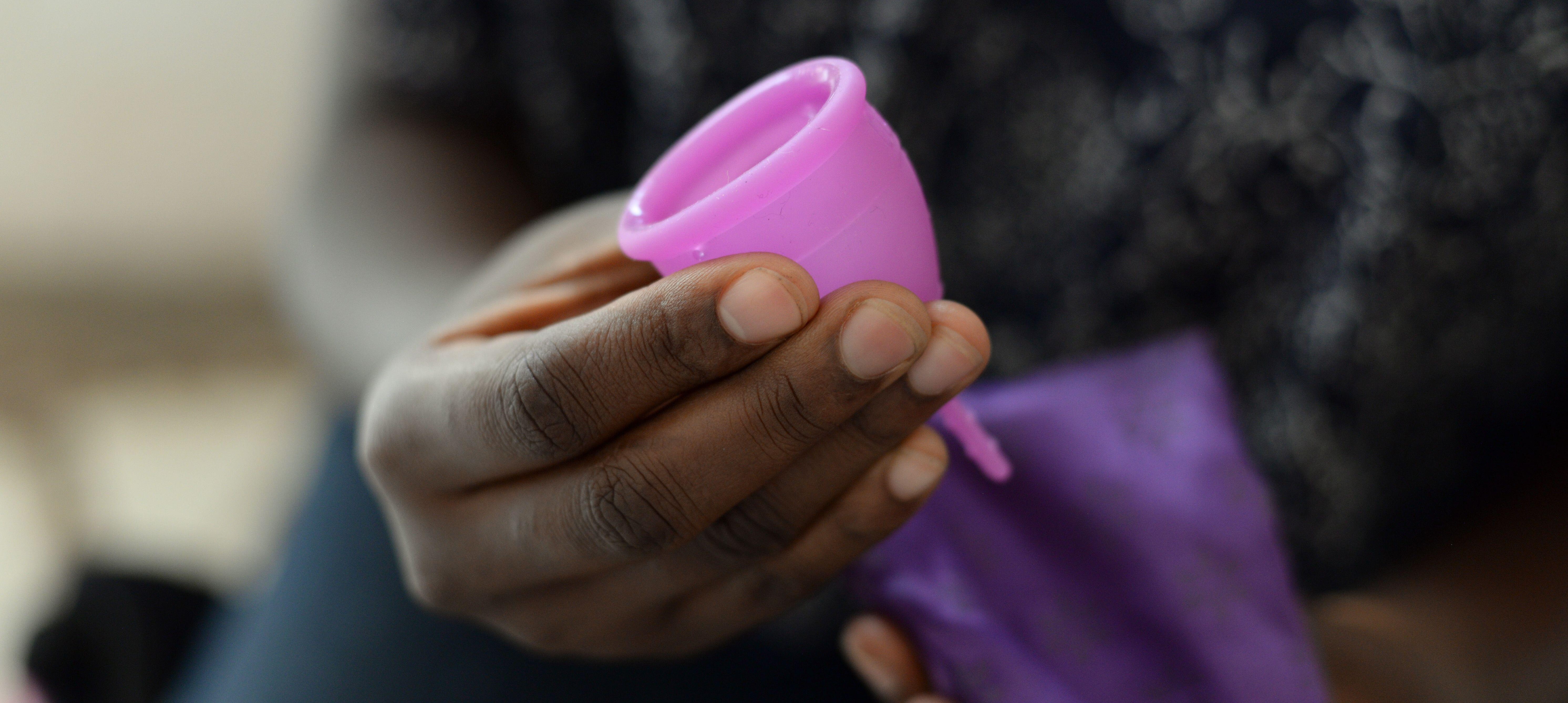
‘The major impact we have had, in my opinion, is the education of these women in helping them accept that this is a condition like any other, and the management options that are there could actually improve their quality of life.’
A follow-up audit to assess the outcomes of the interventions demonstrated a number of improvements; for example, compliance increased from 85% to 100% for thorough assessment, including a medical history and physical examination, of patients presenting with HMB to determine the cause and to guide the need for further investigation and choice of management.
Compliance in the following areas also reached 100%:
- complete blood count tests being performed for patients presenting with HMB to determine the presence of anaemia;
- information being provided to patients about HMB and its management, and health practitioners engaging patients in discussion to allow patients to contribute to the decision regarding the most appropriate treatment;
- patients with HMB with no identified pathology and fibroids less than 3cm in diameter or with suspected or diagnosed adenomyosis being managed with a LNG-IUS or medications, for example, tranexamic acid, NSAIDs, combined hormonal contraception or cyclical oral progesterone if LNG-IUS is not appropriate or if the patient refuses LNG-IUS.
The lack of outpatient department hysteroscopy services, which was identified in the baseline clinical audit, was also addressed. In fact, identifying and utilising the available resources were major successes of the project: ‘We already had the resources, but we didn’t know how to implement the evidence’, Dr Akumu says. Indeed, the referral of patients with HMB with submucosal fibroids for hysteroscopic removal increased from 33% to 90% during the six-month evidence implementation project.
Throughout the project, engagement levels were high. Dr Akumu says that both clinicians and patients were eager to learn more about the condition. The challenge in implementing the project was more around a lack of financial resources.
‘We had limited finances to implement all the strategies, such as offering outpatient hysteroscopy services. If I were to redo the project, I would involve the Ministry of Health for funding as they were very willing to take part after learning the outcomes of the implementation project.’
Dr Akumu believes that the project can be transitioned to scale and incorporated into national guidelines to achieve standardised management of HMB across the country. Already, the project’s success at Kenyatta National Hospital has been replicated in several other hospitals in Kenya.
‘The project led to the development and adaptation of protocols for the assessment and management of women with heavy menstrual bleeding in the largest referral hospital in Kenya. These have since been adopted by several other hospitals including Kapsabet County Referral hospital, where I am currently stationed. This project was also recognised by the Ministry of Health and won a first runner-up award for the most innovative student project in the 2019 Quality Healthcare Awards in Kenya. It was lauded by the Kenyan Health Minister for improving the quality of lives of women in Kenya.’
Dr Akumu recently published an implementation report in JBI Evidence Implementation, which provides further information on how knowledge levels were improved for both caregivers and patients on current evidence-based practices for HMB, and how protocols were formulated and adopted at Kenyatta National Hospital, which led to the standardisation of care for women with HMB.
Further resources
JBI Manual for Evidence Implementation (for GRiP approach)
Author
Lydia Akumu, Kenyatta National Hospital

Disclaimers
Republished with permission from JBI jbi.global/our-impact/Managing heavy menstrual bleeding
The views expressed in this this World EBHC Day Impact Story, as well as any errors or omissions, are the sole responsibility of the author and do not represent the views of the World EBHC Day Steering Committee, Official Partners or Sponsors; nor does it imply endorsement by the aforementioned parties.